
The High Cost of the Final Mile
Why De-fleeting is one of your Biggest Margin Leaks
January 20, 2026
Share this article:


The idea of decommissioning a vehicle for sale isn’t unique to the commercial world. Most of the attention, excitement, and perceived value always sits at the front end of the vehicle lifecycle. Contract negotiations, spec sheets, colour choices, and finance deals. That is where people like to focus. Where things get interesting, however, is at the other end.
Anyone who has ever sold a vehicle privately knows the truth. It doesn’t matter whether it's a Porsche, a Volvo estate, or a tired 2015 Transit. When it comes time to sell, condition suddenly matters. Service history matters. Paint chips matter. Clean interiors matter. The tyre kickers come out in full force to tell you why that scratch on the bumper justifies low-balling you £2000. Nobody wants to buy something that looks neglected.
Fleet vehicles are no different.
The problem is that de-fleeting is still treated like admin. It is seen as a box to tick at the end of a contract. In reality, it is one of the biggest and least controlled leaks in fleet margins. Whether you are running a handful of LCVs or a large HGV fleet, the difference between a clean return and a painful recharge almost always comes down to three things: preparation, timing, and knowing what is actually worth fixing.

De-fleeting is where we consistently see some of the biggest avoidable cost leakage, particularly when accident damage, cosmetic issues, and branding are left too late to control.
'The aim is not to fix everything. It's to fix the right things.'
Following the BVRLA Benchmark
Fair Wear and Tear Is a Minimum, Not a Target
Most UK leasing companies and funders work to the BVRLA Fair Wear and Tear guidelines. These set the line for what is acceptable at the end of a contract and form the basis for inspections and recharges.
What often catches fleets out is how those guidelines are interpreted in practice. They describe the minimum acceptable condition, not the condition that protects your wallet.
When a vehicle is returned, it is inspected against those standards by a third party. Once that report is signed off, your control is effectively gone. Any damage outside of tolerance is charged back using the funder’s fixed recharge rates, not real-world repair costs. This is why timing is everything. Control only exists before the inspection. We usually recommend assessing vehicles around 60 to 90 days before return. That gives you enough time to make sensible decisions, book repairs properly, and avoid expensive, rushed fixes at the last minute.
The £150 mistake: Why fixing everything is the wrong strategy
One of the most common mistakes in de-fleeting is the all-or-nothing approach. Some fleet managers avoid repairs completely, assuming it is cheaper to take the hit at return. Others go the opposite way and try to send high-mileage vehicles back looking like they have just rolled out of the showroom.
Neither approach delivers the best result.
Most funders operate damage waiver thresholds. As a simple example, total damage under £150 might be waived entirely, but damage totalling £151 can trigger a recharge for the full amount. Not the difference: you are now being charged the full £151.
That is the decision point most fleet managers miss. A smart de-fleet strategy is built around selective intervention. The aim is not to fix everything. It is to fix the right things. You want to fix just enough to keep the vehicle within waiver limits, or to stop a repairable issue from being raised to a "major recharge" category by the funder.
The difference between leasing company recharge rates and private repair costs is one of the most misunderstood aspects of the process. While individual savings on a bumper scuff or a wing mirror might appear modest, across a fleet of 40 or 50 vehicles, these differences routinely compound into five-figure annual sums.
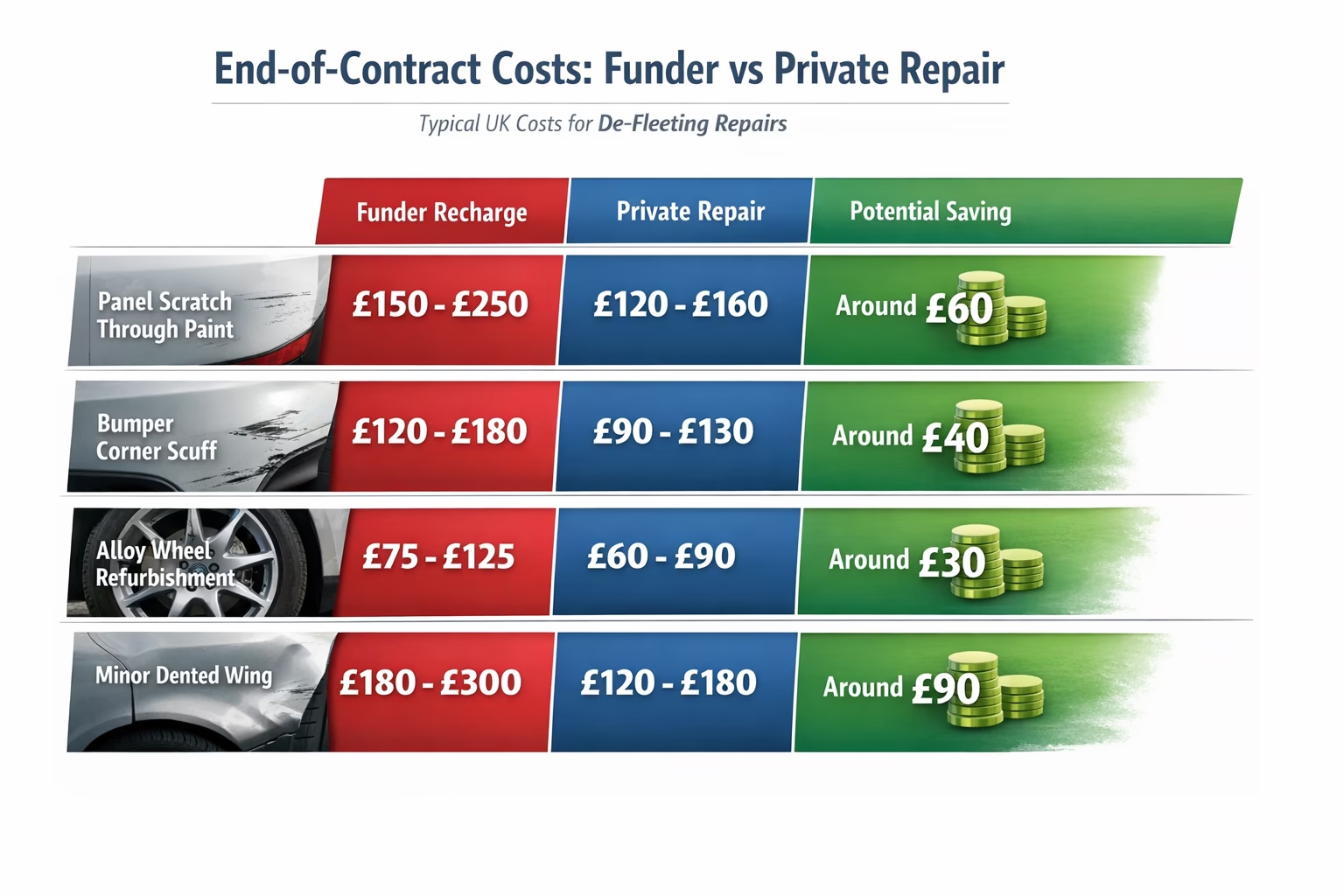
More importantly, private repair allows you to control the method, scope, and quality. Leasing company recharges do not. This is why savvy fleets engage a specialist commercial repair provider before the inspection, rather than relying on funder penalties applied after the fact.
HGVs: Where the financial stakes get real
For HGVs and specialist commercial vehicles, the stakes rise quickly. Damage that might be written off as cosmetic on an LCV is far more likely to be treated as structural or safety-critical on a truck cab.
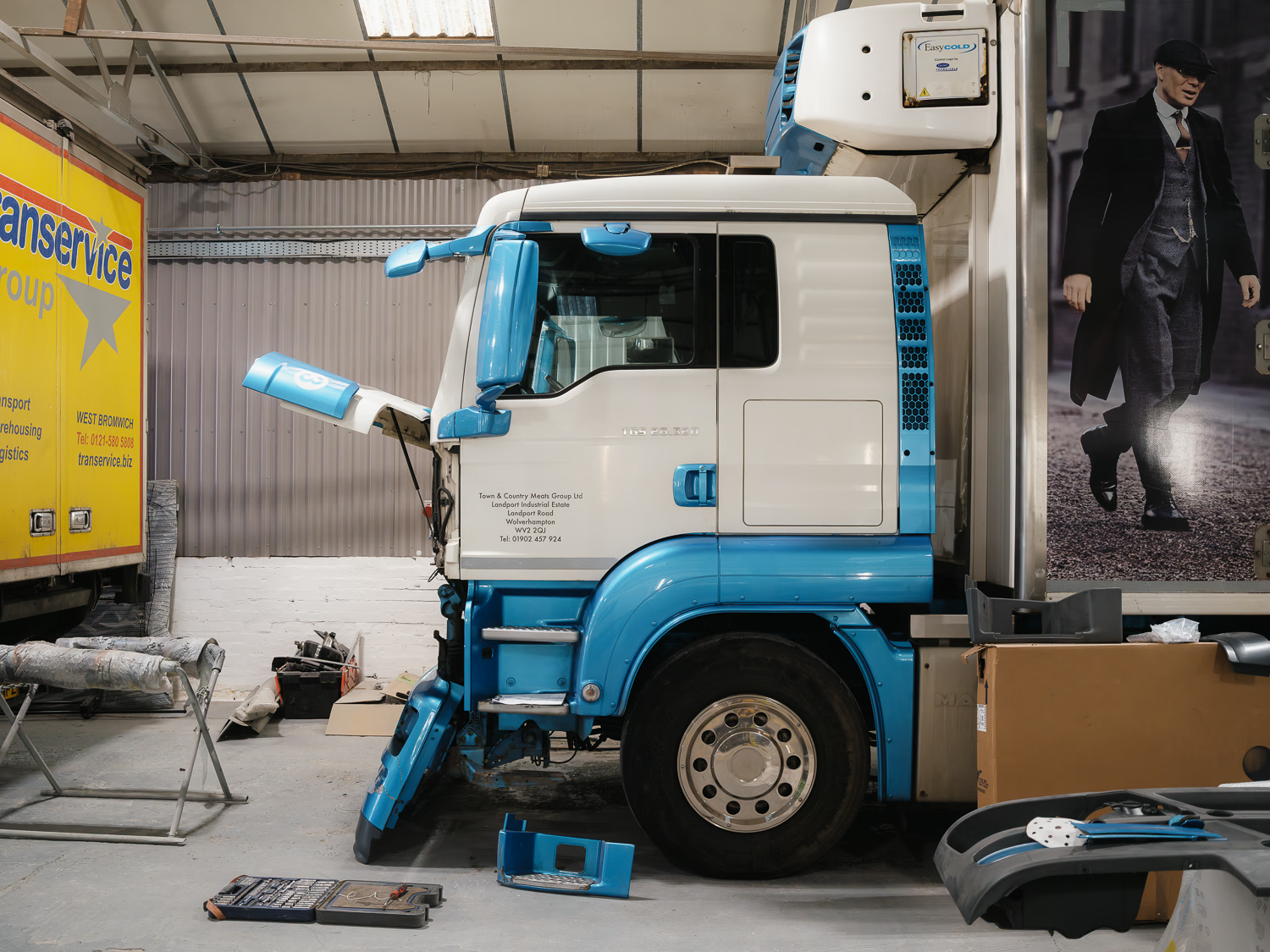
Panel size, access requirements, and paint complexity all push recharge values up quickly. We see this regularly. In one recent case, a fleet faced a £2,400 recharge for cab-side panel damage and branding "ghosting." By bringing in a specialist repair provider 30 days before the return, the cab repair and controlled decal removal were completed for £1,100.
That is a 54% saving. It wasn't achieved by cutting corners. It was achieved by making the repair decision earlier in the process.
The expensive cost of losing a set of keys
Not all de-fleet charges are tied to physical damage. Some of the most frustrating and expensive penalties come from missing paperwork and accessories. These add no value to the vehicle and are entirely preventable.
Missing spare keys are a classic example. Modern transponder keys can cost between £150 and £400 to replace through main dealers. An incomplete service history can trigger "failure-to-maintain" charges and drag down the valuation, even when the vehicle has been properly looked after. Returning a vehicle lacking its V5C often results in immediate administrative penalties. None of these costs improves resale performance. They are simply the result of poor preparation.
Branding removal is another area where fleets regularly lose money. Removing decals quickly or without the right process frequently leads to "paint pull" or "ghosting".
Funders tend to address this bluntly by charging for a full-panel respray. A professional specialist will take a different approach: controlled removal followed by machine polishing can often blend the paint back effectively, avoiding a repaint altogether. In many cases, a £50 polishing process prevents a £500 paint recharge. This is where de-fleeting stops being administrative and becomes technical. Knowledge and method matter far more than budget.
The Takeaway
The most effective de‑fleet strategies start well before the return date. A 30 to 60 day window gives you the breathing space to assess the condition against BVRLA standards, recover any missing documentation, and make calm, selective repair decisions rather than rushed ones.
De‑fleeting is not about hiding damage or gaming the system. It is about valuation protection. Fleets that treat vehicle retirement as a planned asset exit, rather than a reactive handover, consistently reduce costs and avoid disputes.
Related Services
- Commercial Vehicle Accident Repair
- Fleet Refurbishment & De‑Fleet Preparation
- Paint & Graphics for Fleet Vehicles